Posts

Lessons from the Conti Leaks

Image
  If you wanted to learn how an organized cybercriminal operation worked, look no further than the threat group known as Conti. The recent leaks of the group's chat logs have uncovered an unprecedented wealth of information and insights into how these veteran cybercriminals organize themselves.  Cyber Threat Intelligence (CTI) vendors and independent researchers have spent weeks poring over the Conti leaked chat logs and have uncovered dozens of very significant findings.  In this blog, I didn't want to duplicate what is already known (too much). I wanted to share some of the findings that I thought were the most interesting to me. To rapidly get up to speed on the Conti Leaks, I highly recommend other researchers to read the work in the following blogs: https://www.trellix.com/en-gb/about/newsroom/stories/threat-labs/conti-leaks-examining-the-panama-papers-of-ransomware.html https://www.secureworks.com/blog/gold-ulrick-leaks-reveal-organizational-structure-and-relat...
One Way Or Another: Initial Access Vectors

Image
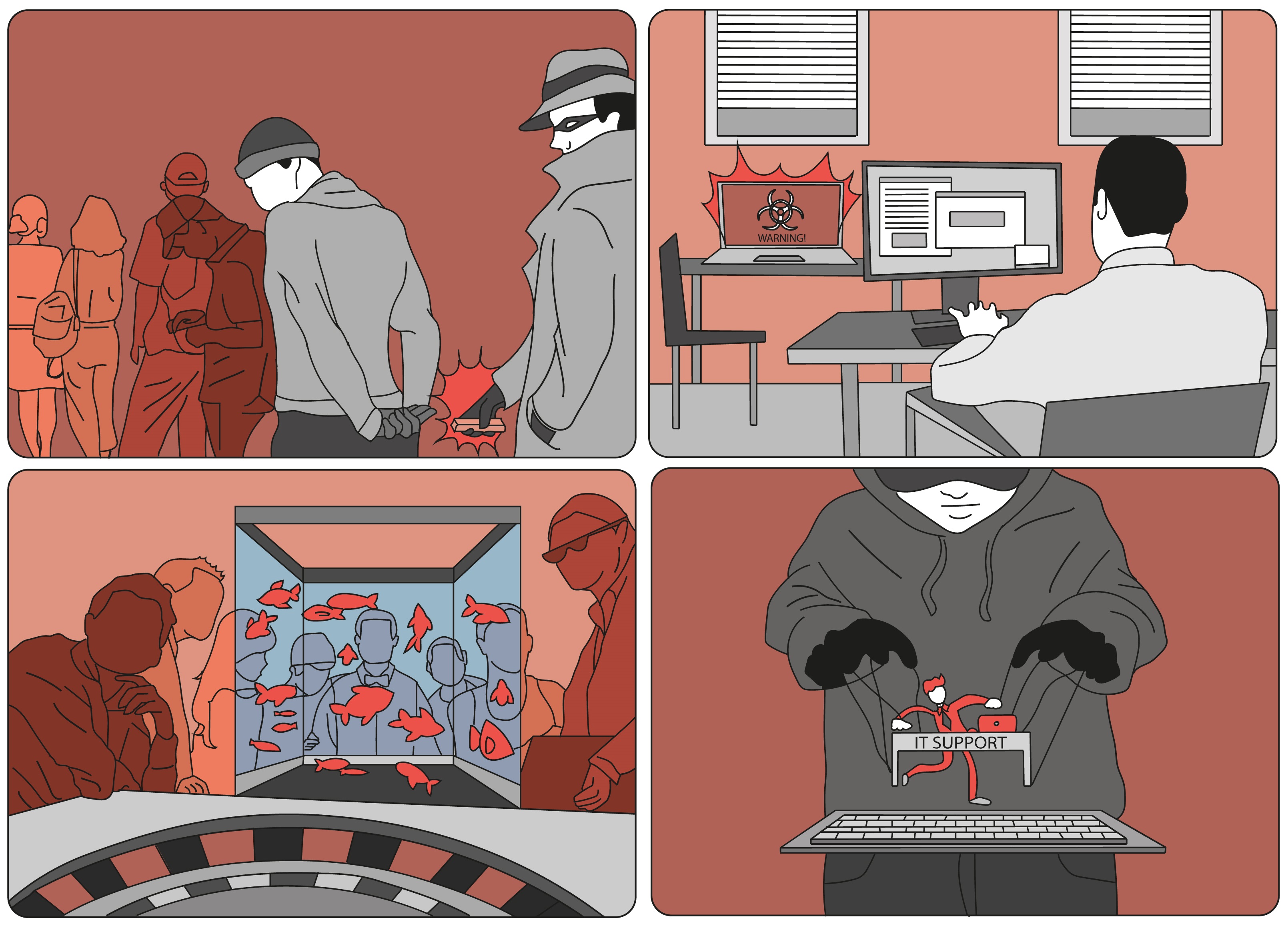
  Artwork by  @laelcillustrate The aim of this blog is to highlight initial access techniques that you’ve potentially not heard of before. You're u nlikely to find these in the Mitre ATT&CK framework and these are pretty u nlikely to happen day-to-day, but they are perfectly valid for persistent attackers. How to implement detection for these techniques also d epends on your threat model and who is trying to target you or your organisation.  Traditional initial access techniques for common threats such as Ransomware operators or Advanced Persistent Threat (APT) groups include  phishing for credentials, malicious spam containing malware, obtaining RDP credentials via brute force or purchasing them from underground markets, and exploiting a vulnerability in a public-facing system.  The techniques discussed in this blog, however, r equires a bit more determination, opportunism, and lateral thinking. >> I've added some " Bushido comments"  offering m...

Mobile Banking Phishing Campaign

Image
  There is no doubt that mobile banking has taken the world by storm. Another growth industry is digital-only banks, especially in the UK. As of January 2022, over a quarter (27%) of British adults have opened an account with a digital-only bank, equating to 14 million people. This has created a new pool of targets for phishing threat actors to create new campaigns for fraud. This blog will explore a recent and ongoing campaign targeting mobile users and digital-only banks.  Monzo is a popular digital-only bank in the UK. For years, users are able to open an account without having to visit a branch just by walking through the steps in the mobile application. One of the key parts to creating a Monzo account is verifying your device. Monzo will send you a "golden link" which you use to login to for the first time (see Fig. 1). This is what the phishing threat actors are after. Fig. 1 - Example "golden link" sent via Monzo to login to bank accounts Fig. 2 - Example SM...

CTI Project: Android Banking Trojan Nexus

Image
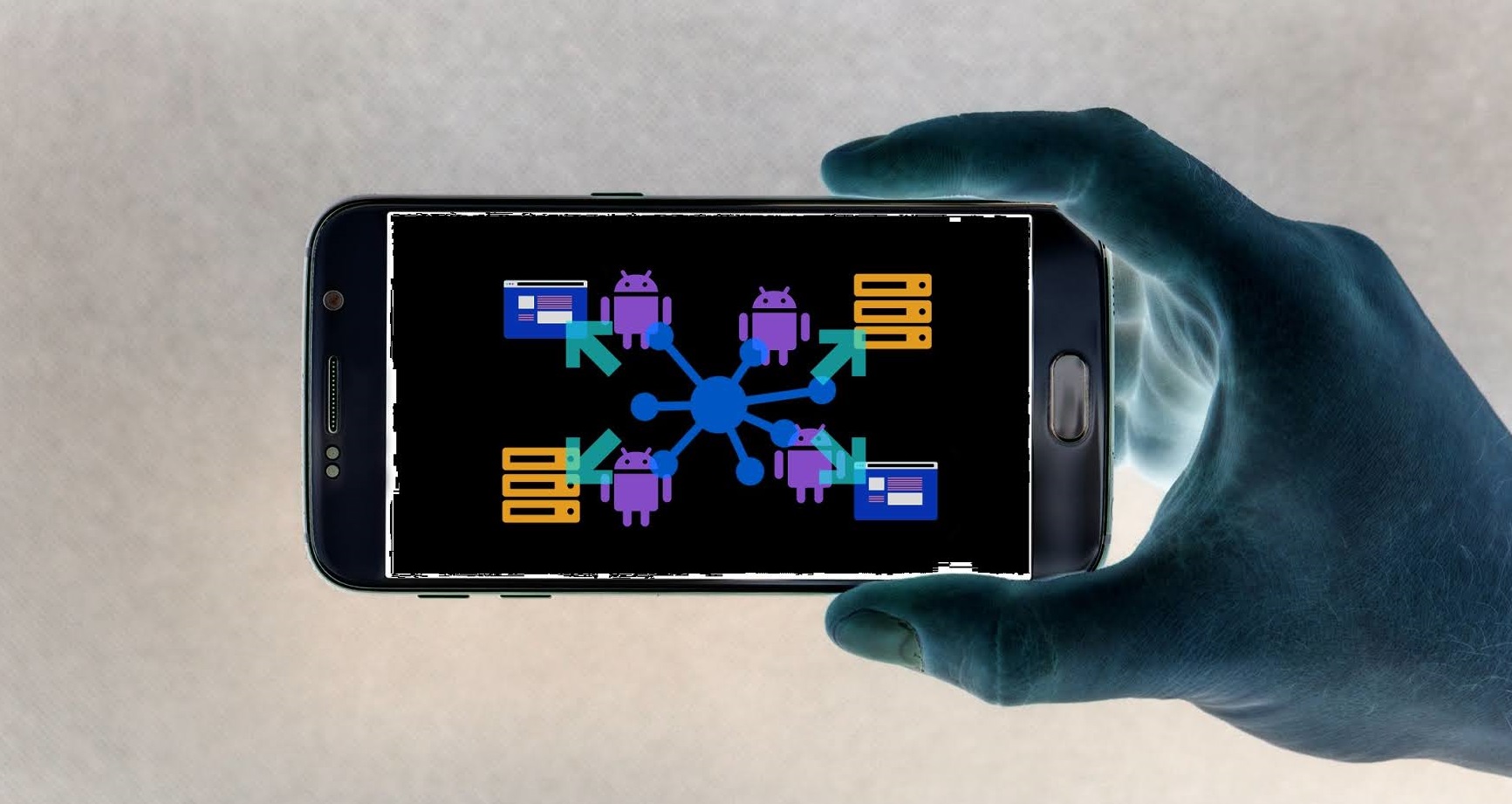
  Android banking Trojans are an interesting threat because if successful, it can be a huge payday for a cybercriminal and a terrible loss for the victim. The latest wave of Android banking threats have a range of advanced features, all designed to clear out a victim's bank account.  The majority of these threats are distributed via malicious SMS text messages, the Google Play Store, Social Media, or watering hole sites. These types of threats also largely require the users to be unaware of the danger of granting unsafe permissions to apps, such as Android Accessibility Services - one of the main functions that Android malware heavily relies on to perform financially motivated attacks. The Android Banking Trojan Nexus (see above) is supposed to help fraud teams and security researchers identify and track Android banking Trojans designed to steal funds from their customers' accounts. Tracking the latest and greatest Android threats is a valuable venture. From my experience of ...

Tracking A Renewable Energy Intelligence Gathering Campaign

Image
  For my first research blog of 2022, I analysed a suspected intelligence gathering campaign targeting renewable energy and industrial technology organisations, with a particular focus on Bulgaria. This long-running espionage campaign leveraged multiple credential harvesting pages to target the email accounts of employees at a number of organisations between 2019 and is ongoing in 2022. The attackers use the same 'Mail Box' phishing kit and host many of the pages on them infrastructure, supported by also compromising some legitimate websites. This research was conducted using OSINT techniques such as query public sandbox submissions and passive DNS scan results. From this up to 40 individuals at target organisations from a variety of sectors  were identified , but there was a focus on a few such as renewable energy, environmental protection organisations, and industrial technology. This research using OSINT alone is unable to acquire the full story, but  hopefully can pai...