Posts

Showing posts with the label finance

Geopolitical Cybercrime: LockBit attack on the ICBC

Image
  What happened? On 8 November 2023, the Industrial and Commercial Bank of China (ICBC) was attacked by the LockBit ransomware group. The ICBC is one of the world’s largest banks and is a Chinese state-owned asset. Financial media sources, such as the Financial Times and Bloomberg reported that the wider financial system was impacted as certain trades on the US Treasury market were unable to clear because of the LockBit attack. Reuters also reported that the impact on ICBC’s network was significant enough that the bank had to resort to manual processes to perform trades in the billions of US dollars. At the time of writing, ICBC has not appeared on LockBit’s data leak site. However, in a conversation over the TOX messaging application with VX-Underground , a LockBit representative did confirm that they attacked ICBC. Additional context LockBit is currently the most prolific ransomware group in the world . They claim to be a “multinational” organization and the thre...
Mobile Banking Phishing Campaign

Image
  There is no doubt that mobile banking has taken the world by storm. Another growth industry is digital-only banks, especially in the UK. As of January 2022, over a quarter (27%) of British adults have opened an account with a digital-only bank, equating to 14 million people. This has created a new pool of targets for phishing threat actors to create new campaigns for fraud. This blog will explore a recent and ongoing campaign targeting mobile users and digital-only banks.  Monzo is a popular digital-only bank in the UK. For years, users are able to open an account without having to visit a branch just by walking through the steps in the mobile application. One of the key parts to creating a Monzo account is verifying your device. Monzo will send you a "golden link" which you use to login to for the first time (see Fig. 1). This is what the phishing threat actors are after. Fig. 1 - Example "golden link" sent via Monzo to login to bank accounts Fig. 2 - Example SM...

CTI Project: Android Banking Trojan Nexus

Image
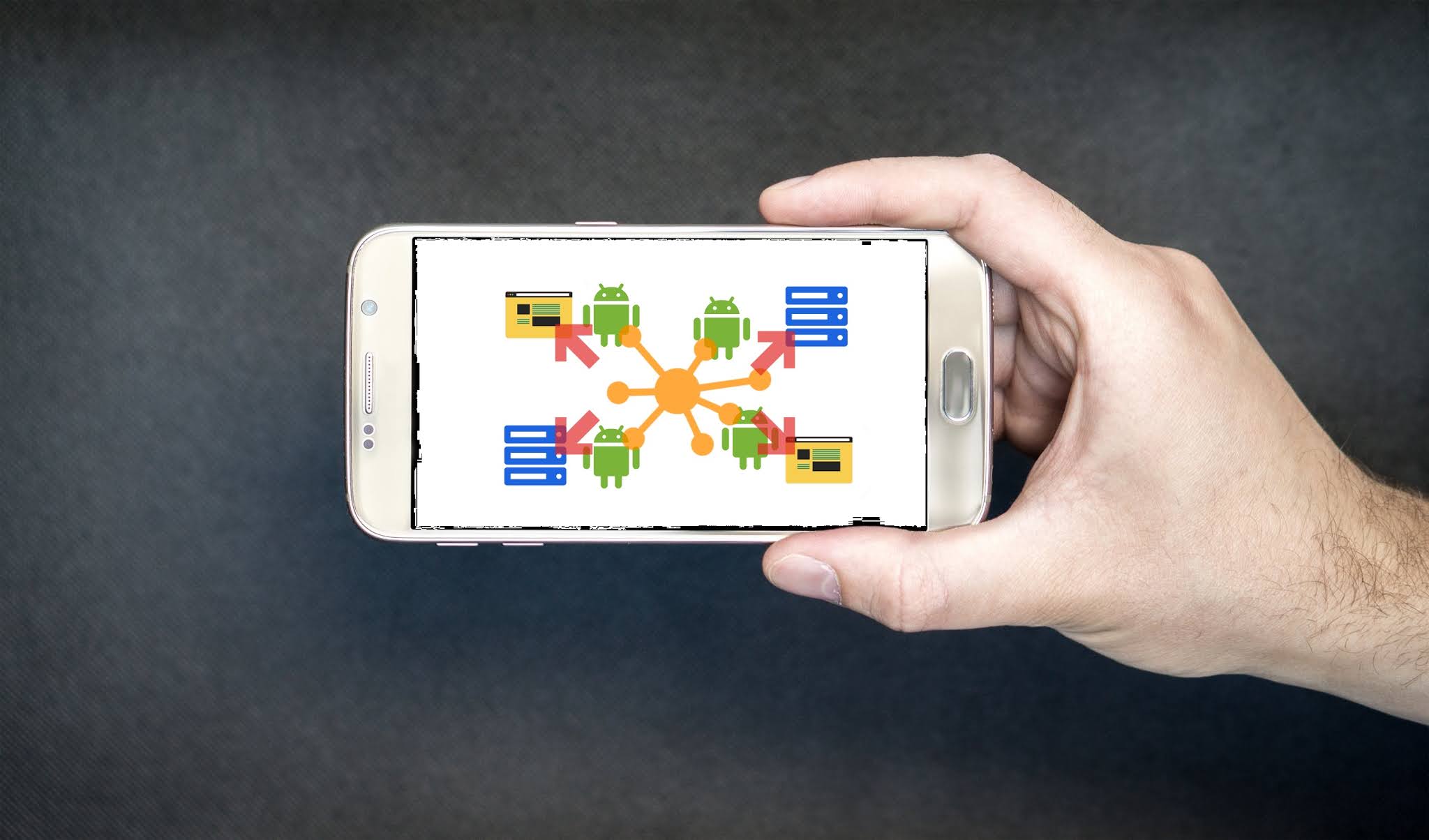
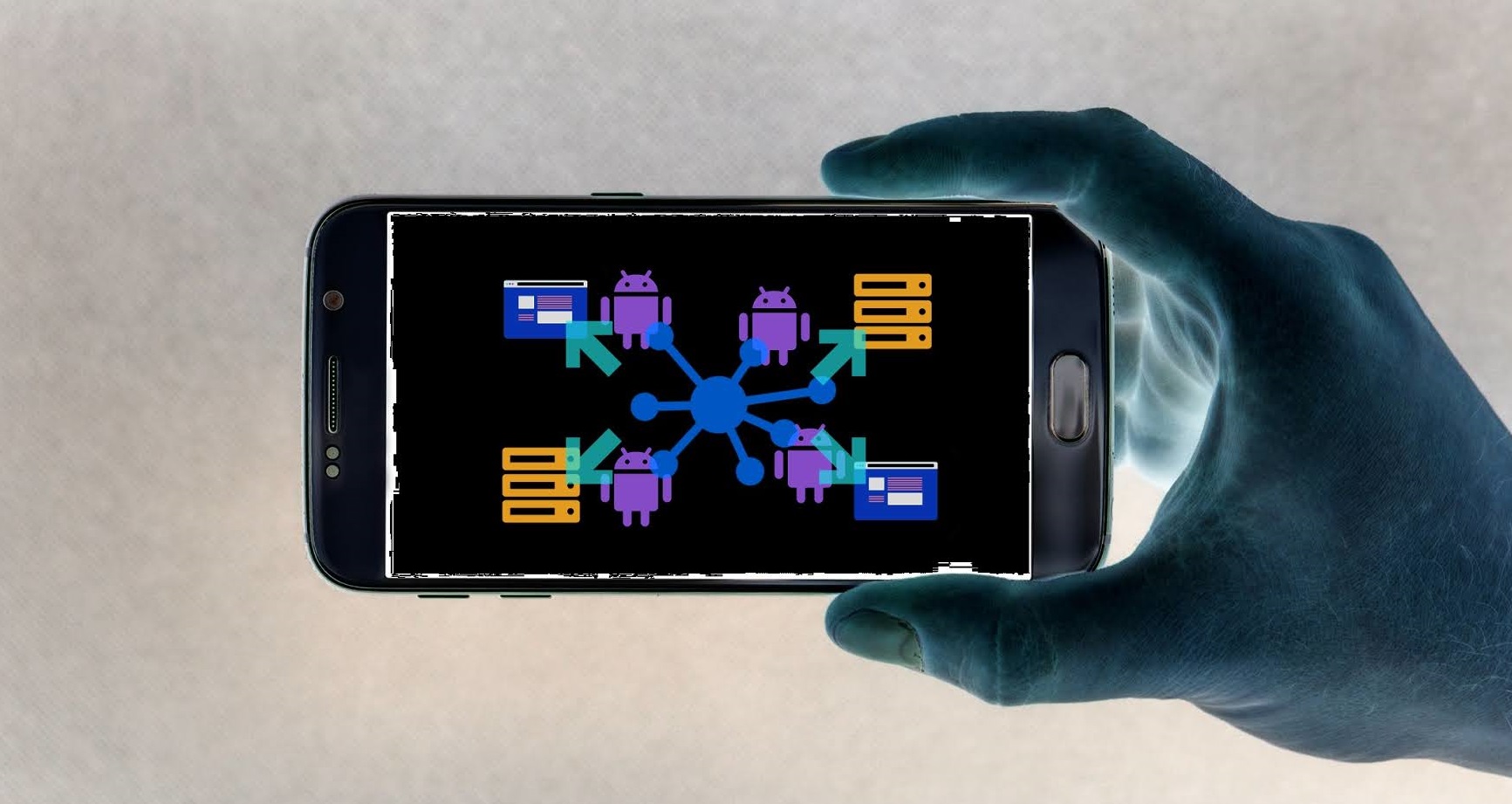
  Android banking Trojans are an interesting threat because if successful, it can be a huge payday for a cybercriminal and a terrible loss for the victim. The latest wave of Android banking threats have a range of advanced features, all designed to clear out a victim's bank account.  The majority of these threats are distributed via malicious SMS text messages, the Google Play Store, Social Media, or watering hole sites. These types of threats also largely require the users to be unaware of the danger of granting unsafe permissions to apps, such as Android Accessibility Services - one of the main functions that Android malware heavily relies on to perform financially motivated attacks. The Android Banking Trojan Nexus (see above) is supposed to help fraud teams and security researchers identify and track Android banking Trojans designed to steal funds from their customers' accounts. Tracking the latest and greatest Android threats is a valuable venture. From my experience of ...

Summer of Scammers: PancakeSwap cryptocurrency thieves

Image
  Cryptocurrency is experiencing a huge boom. With this explosion in popularity, and people getting rich quick, come the cybercriminals looking to exploit this new technology. Unfortunately, while there may be a large amount of money to be made from cryptocurrecny there are very little controls or regulations preventing scams. Unlike other centralised financial services, such as banks, cryptocurrency users are only as protected as their own personal operational security (OPSEC). While there are long guides on OPSEC for cryptocurrency users, many new users are lacking here and do not use a strong password or two-factor authentication (2FA). This makes them sitting ducks for cybercriminals. This blog will detail how users of a relatively new platform, PancakeSwap, are being highly targeted.  In their own words "PancakeSwap is the leading decentralized exchange on Binance Smart Chain, with the highest trading volumes in the market". Despite its comical name, PancakeSwap is ...

Latest wave of Cerberus targets English-speaking users

Image
  Following the recent discoveries shared by @MalwareHunterTeam and @LukasStefanko on Twitter, I took a closer look at the ongoing Cerberus Android banking Trojan campaign. It has recently reared its head to target English-speaking users via a fake food delivery app: (Figure 1 - The fake website that drops food-delivery.apk) (Figure 2 - Downloading and granting permissions to the Trojanised application) If successfully downloaded and permissions are granted, the user's device is infected with a banking Trojan that shares multiple similarities to the infamous Cerberus Android banking Trojan. Further investigation in this campaign revealed the attacker's infrastructure through a mutual host, gTLD (.top), and the same registrant details.  Virus Total Graph of the campaign: Themes of Trojanised Applications distributed by this Cerberus operator: Cerberus web injects database: (Figure 3 - Picture of the Cerberus web injects database for reference) Analysis: The Cerberu...

Analysis of the threats targeting Point of Sale systems

Image
  Background A point of sale (POS) system refers to the critical piece of software used by customers to execute a payment for goods or a service. This also includes the physical devices in stores, where POS terminals and systems are used to process card payments. These are often the primary targets of financially motivated organised cybercrime groups (also known as eCrime advanced persistent threats). Successful intrusion of a POS system can lead to the theft of vast amounts of financial data from customers. This can be used for immediate gain or sold on underground markets for fraud. A combination of hard-to-detect data-exfiltration malware; legacy hardware - which is difficult to patch; and general OS vulnerabilities, mean that this particular threat is common and can be difficult to defend against. Organised Cybercrime APT groups such as FIN6, FIN7, and FIN8 are currently some of the most significant threats to large retailers, restaurant chains, hotels, the leisure industry, an...