Posts

Showing posts with the label BEC

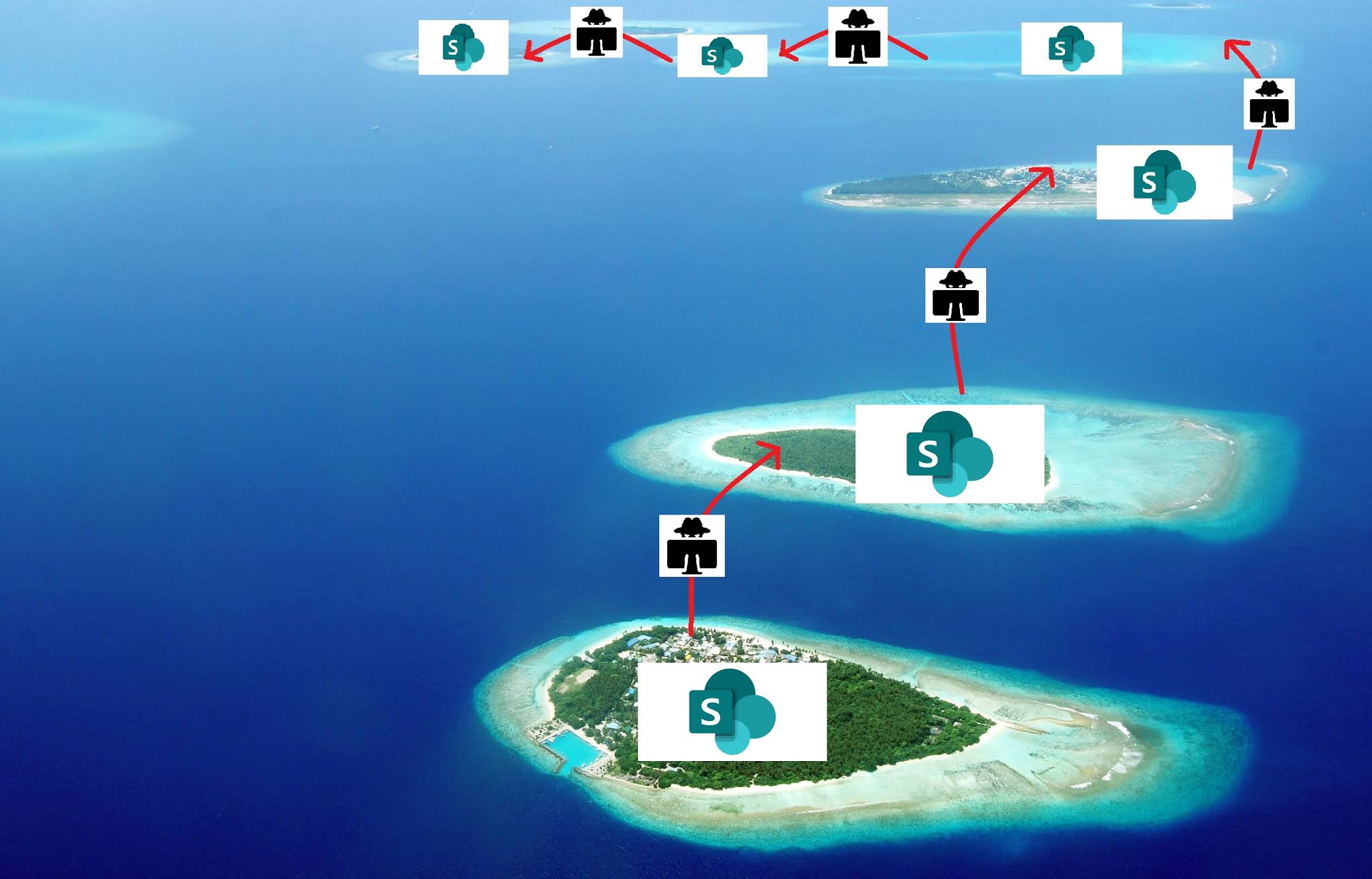
SharePoint Island Hopping: Phishing with compromised accounts
Image
  Phishing threat actors continue to launch successful credential harvesting campaigns via compromised Office 365 accounts. One of the most common themes for these campaigns is a "shared file" notification, whereby a compromised account shares a file with a user that is hosted in the SharePoint drive. The file is usually a PDF document that contains a URL to an external site embedded in an "open document" or "view file" button. If the user clicks on it and enters their credentials they are redirected to login.microsoftonline.com. Although this is an older scam, that has been around for several years, it is still highly effective and is being used to leap from one organisation to another. In this blog, I will analyse a long running phishing campaign that has compromised at least 45 different SharePoint accounts belonging to a variety of organisations over the last year. Fig. 1 - The typical phishing chain used in this campaign Fig. 2 - Various PDF documents...

Analysis of the NetWire RAT campaign

Image
  Executive summary: Threat actors continue to leverage the NetWire Remote Access Trojan (RAT) in malicious spam email attacks using low-detection scripts, URL shorteners, and the Discord content delivery network (CDN).  The Infection chain begins with a targeted email from the t-online[.]de mail service. These contain an XLS file or ZIP archive that, if opened, triggers embedded VBScript and PowerShell scripts. The secondary stage leverages  URL shorteners in the PowerShell script that pull down a batch file from the attacker’s server or from the Discord CDN. If successfully executed the victim’s device is infected with NetWire RAT and a connection is made to the command and control (C&C) server. Post-exploitative activities can then be initiated from here. NetWire RAT is a widely used off-the-shelf malware used by cybercriminals groups and Business Email Compromise (BEC) scammers. This includes features such as stealing credentials, recording audio, screen capture,...